How Does PCOS Affect Fertility?
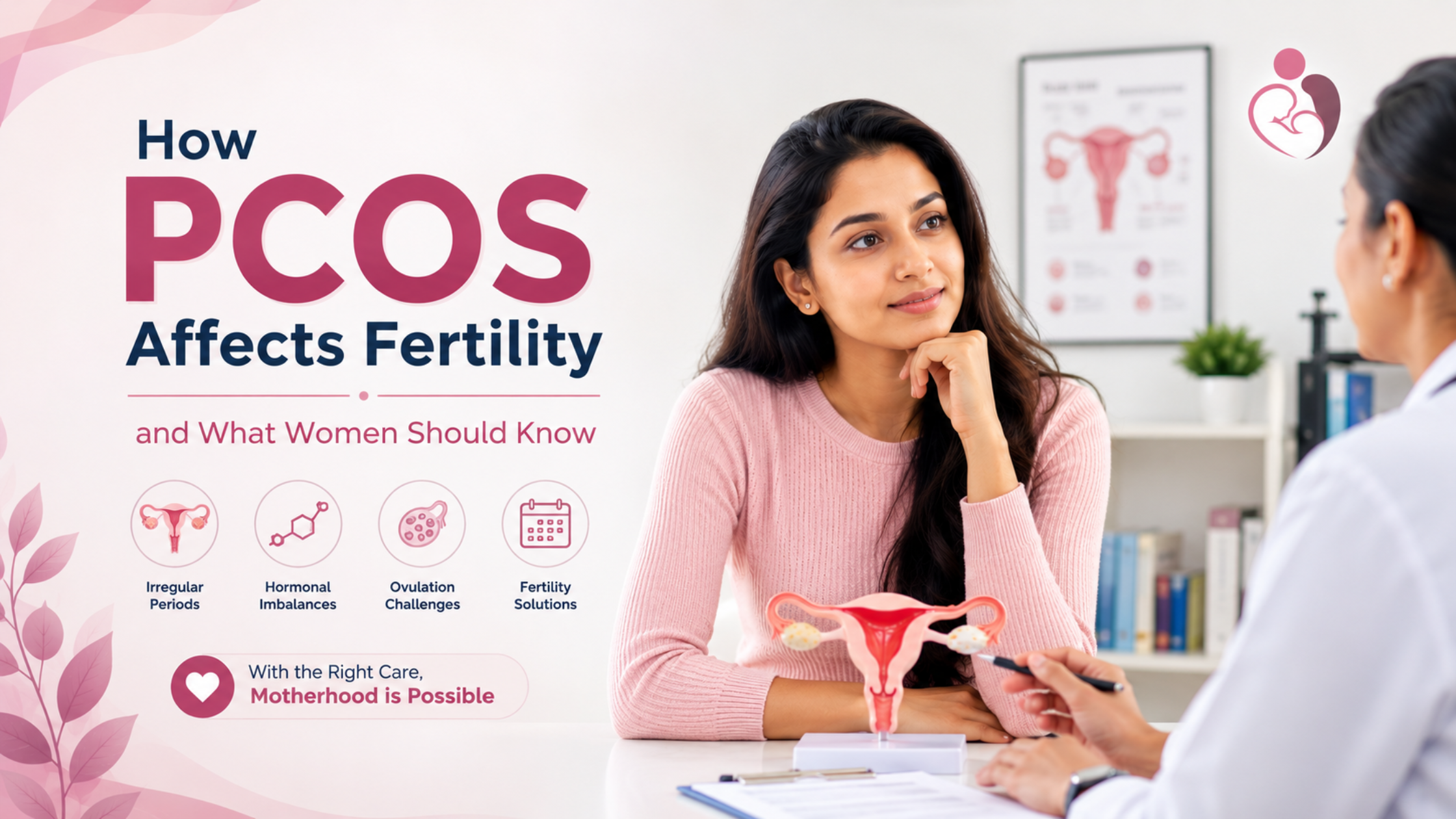
Polycystic ovary syndrome (PCOS) is a common hormonal condition that can affect menstrual cycles, ovulation and reproductive health. One of the biggest concerns for women diagnosed with PCOS is whether they will be able to become pregnant.
The short answer is yes—many women with PCOS can become pregnant. However, PCOS can make conception more difficult because it may cause irregular or absent ovulation. When ovulation does not occur regularly, identifying the fertile window becomes more difficult and the opportunity for conception may decrease.
If you are experiencing irregular periods or difficulty conceiving, consulting a Trusted Fertility Hospital in Nellore can help identify whether PCOS is affecting your ovulation and what treatment options may be appropriate.
According to the international evidence-based PCOS guideline, fertility management should consider ovulation, other female reproductive factors and male fertility factors rather than treating PCOS as the only possible cause of infertility.
What Is PCOS?
PCOS is a hormonal condition associated with reproductive and metabolic changes. Women with PCOS may experience irregular menstrual cycles, problems with ovulation and increased androgen activity.
Common symptoms can include:
- Irregular or missed periods
- Acne
- Excess facial or body hair
- Difficulty with weight management
- Thinning scalp hair
- Difficulty becoming pregnant
Not every woman with PCOS experiences the same symptoms. This is why proper medical evaluation is important.
For women planning pregnancy, one of the most important questions is whether PCOS is interfering with regular ovulation.
Why Does PCOS Cause Fertility Problems?
- Irregular Ovulation
Ovulation is the release of an egg from an ovary. Regular ovulation gives sperm an opportunity to fertilize an egg.
PCOS can interfere with normal follicle development and ovulation. Some women may ovulate less frequently, while others may not ovulate regularly at all.
This is one of the major reasons PCOS can affect fertility.
A Trusted Fertility Hospital in Nellore can monitor ovulation and determine whether irregular ovulation is contributing to difficulty conceiving.
- Hormonal Imbalances
PCOS is associated with hormonal changes that can interfere with the normal reproductive cycle.
Changes in androgen levels and other reproductive hormones may affect follicle development and ovulation. However, having hormonal abnormalities does not automatically mean that pregnancy is impossible.
The goal of fertility treatment is to understand the individual hormonal and reproductive situation and address the factors that are preventing conception.
- Insulin Resistance
Some women with PCOS also have insulin resistance. This means the body does not respond to insulin as effectively as it should.
Metabolic health can be an important part of PCOS management. Healthy eating, regular physical activity and appropriate medical care may help support overall health and fertility.
The international PCOS guideline recommends healthy lifestyle practices for women with PCOS, including healthy eating and regular physical activity.
Can Women With PCOS Get Pregnant Naturally?
Yes. PCOS does not mean that natural pregnancy is impossible.
Some women with PCOS ovulate naturally and become pregnant without fertility treatment. Others may require medication or assisted reproductive treatment because they do not ovulate regularly.
The appropriate approach depends on several factors, including:
- Age
- Ovulation
- Duration of trying to conceive
- Ovarian reserve
- Fallopian tube health
- Sperm quality
- Other reproductive conditions
- Previous fertility treatments
This is why an individualized assessment at a Trusted Fertility Hospital in Nellore can be more useful than relying on general information about PCOS.
How Is PCOS-Related Infertility Diagnosed?
A fertility specialist may evaluate several aspects of your reproductive health.
Medical History
Your doctor may ask about:
- Menstrual cycle pattern
- Previous pregnancies
- How long you have been trying to conceive
- Previous PCOS diagnosis
- Medications
- Lifestyle factors
- Previous fertility treatments
Hormonal Testing
Blood tests may be recommended depending on your symptoms and medical history. These tests can help evaluate reproductive hormones and identify other conditions that may affect ovulation.
Ultrasound
Ultrasound may help assess the ovaries and uterus and can also be used to monitor follicular development during fertility treatment.
Semen Analysis
Fertility is a couple-based issue. Even when PCOS is present, the male partner’s fertility may also need to be evaluated.
The international PCOS guideline specifically includes consideration of semen analysis and, where appropriate, assessment of tubal patency as part of infertility evaluation.
PCOS Fertility Treatment Options
There is no single fertility treatment that works for every woman with PCOS. Treatment should be selected according to the woman’s fertility assessment.
Lifestyle Management
Lifestyle management can be an important part of PCOS care.
Regular physical activity, balanced nutrition, adequate sleep and maintaining a healthy lifestyle can support overall health and may benefit reproductive health.
However, lifestyle changes should not be treated as a replacement for fertility evaluation when a woman is experiencing persistent difficulty conceiving.
Ovulation Induction for PCOS
When infertility is primarily caused by irregular or absent ovulation, fertility specialists may recommend medication to help induce ovulation.
The 2023 international PCOS guideline recommends letrozole as the first-line pharmacological treatment for ovulation induction in infertile women with PCOS who have anovulation and no other infertility factors.
Medication should always be taken under medical supervision. The appropriate drug, dose and monitoring schedule can vary between individuals.
A Trusted Fertility Hospital in Nellore can monitor follicular development and adjust treatment based on your response
Is IUI an Option for Women With PCOS?
Intrauterine insemination (IUI) may be considered for selected couples.
During IUI, prepared sperm is placed directly into the uterus around the time of ovulation. Whether IUI is appropriate depends on factors such as ovulation, fallopian tube condition, sperm parameters and the couple’s overall fertility assessment.
IUI is not automatically required simply because a woman has PCOS.
When Is IVF Recommended for PCOS?
IVF may be considered when other fertility approaches have not worked or when additional infertility factors are present.
During IVF, eggs are retrieved from the ovaries and fertilized with sperm in a laboratory. An embryo is then transferred to the uterus.
For women with PCOS, ovarian stimulation requires careful planning because women with PCOS may have a higher risk of excessive ovarian response. The international PCOS guideline recommends PCOS-specific IVF approaches designed to reduce the risk of ovarian hyperstimulation syndrome.
Therefore, choosing an experienced Trusted Fertility Hospital in Nellore can be an important part of planning fertility treatment.
Can PCOS Be Treated Before Pregnancy?
Yes. Managing PCOS before attempting pregnancy can be beneficial.
Your fertility specialist may focus on:
- Improving overall metabolic health
- Understanding your ovulation pattern
- Managing menstrual irregularity
- Identifying other fertility factors
- Reviewing medications
- Preparing for pregnancy
The objective is not simply to treat the PCOS diagnosis but to understand how PCOS is affecting your individual fertility.
When Should a Woman With PCOS See a Fertility Specialist?
Women with known PCOS do not necessarily need to wait a full year before seeking professional advice.
ACOG notes that women with a known condition that can make pregnancy more difficult, including PCOS, may benefit from seeing a fertility specialist earlier.
Consider a fertility consultation if:
- Your periods are consistently irregular.
- You rarely have periods.
- You are unsure whether you are ovulating.
- You have been diagnosed with PCOS and are planning pregnancy.
- You have been trying to conceive without success.
- You have had previous unsuccessful fertility treatment.
- Your partner may have a fertility concern.
- You are concerned about your reproductive age or ovarian reserve.
Early evaluation can help identify the actual cause of difficulty conceiving and prevent unnecessary delays.
PCOS and Pregnancy: What Women Should Know
Getting pregnant is only one part of the fertility journey. Women with PCOS should also receive appropriate preconception and pregnancy care.
PCOS can be associated with metabolic and pregnancy-related considerations, so discussing your health with your doctor before conception is valuable.
A fertility specialist can help you understand what should be addressed before treatment or pregnancy based on your individual health profile.
Common Myths About PCOS and Fertility
Myth 1: PCOS Means You Cannot Get Pregnant
False. Many women with PCOS become pregnant naturally or with fertility assistance.
Myth 2: Every Woman With PCOS Needs IVF
False. IVF is not automatically required. Treatment depends on the cause of infertility and other factors.
Myth 3: Irregular Periods Mean You Have No Chance of Pregnancy
False. Irregular periods may indicate irregular ovulation, but appropriate treatment can help some women ovulate and improve their chances of conception.
Myth 4: PCOS Is Only an Ovary Problem
False. PCOS can involve reproductive, hormonal and metabolic factors. A comprehensive approach is therefore important.
Frequently Asked Questions About PCOS and Fertility
Can PCOS cause infertility?
PCOS can contribute to infertility, particularly when it causes irregular or absent ovulation. However, PCOS does not mean that pregnancy is impossible.
Can I get pregnant naturally if I have PCOS?
Yes. Some women with PCOS become pregnant naturally. Others may need treatment to help with ovulation or other fertility factors.
What is the best fertility treatment for PCOS?
There is no universal treatment. For infertile women with PCOS who have anovulation and no other infertility factors, current international guidelines recommend letrozole as the first-line pharmacological option for ovulation induction.
Does PCOS always require IVF?
No. IVF may be considered when other treatments are unsuccessful or when additional infertility factors make IVF more appropriate.
Should women with PCOS see a fertility specialist early?
If PCOS is affecting ovulation or you are having difficulty conceiving, early consultation can be useful. ACOG specifically notes that women with known conditions such as PCOS that may affect fertility can seek specialist advice earlier.
PCOS can affect fertility, but a PCOS diagnosis does not mean you cannot become a mother.
The most important step is understanding how PCOS is affecting your individual reproductive health. Irregular ovulation, hormonal changes and metabolic factors may contribute to difficulty conceiving, but several treatment options are available depending on the individual situation.
From lifestyle management and ovulation induction to IUI and IVF, fertility treatment should be selected after a proper evaluation.
If you are searching for a Trusted Fertility Hospital in Nellore, professional guidance can help you understand your fertility status and make informed decisions about your treatment.
Take the Next Step With SNH Fertility Care
If PCOS is making it difficult for you to conceive, don’t let uncertainty delay your fertility journey.
Consult SNH Fertility Care for a personalized fertility evaluation and discuss the most suitable treatment options for your situation.
👉 Learn more about fertility care:
Trusted Fertility Hospital in Nellore – SNH Fertility Care
Book a consultation today and take an informed step toward parenthood.