
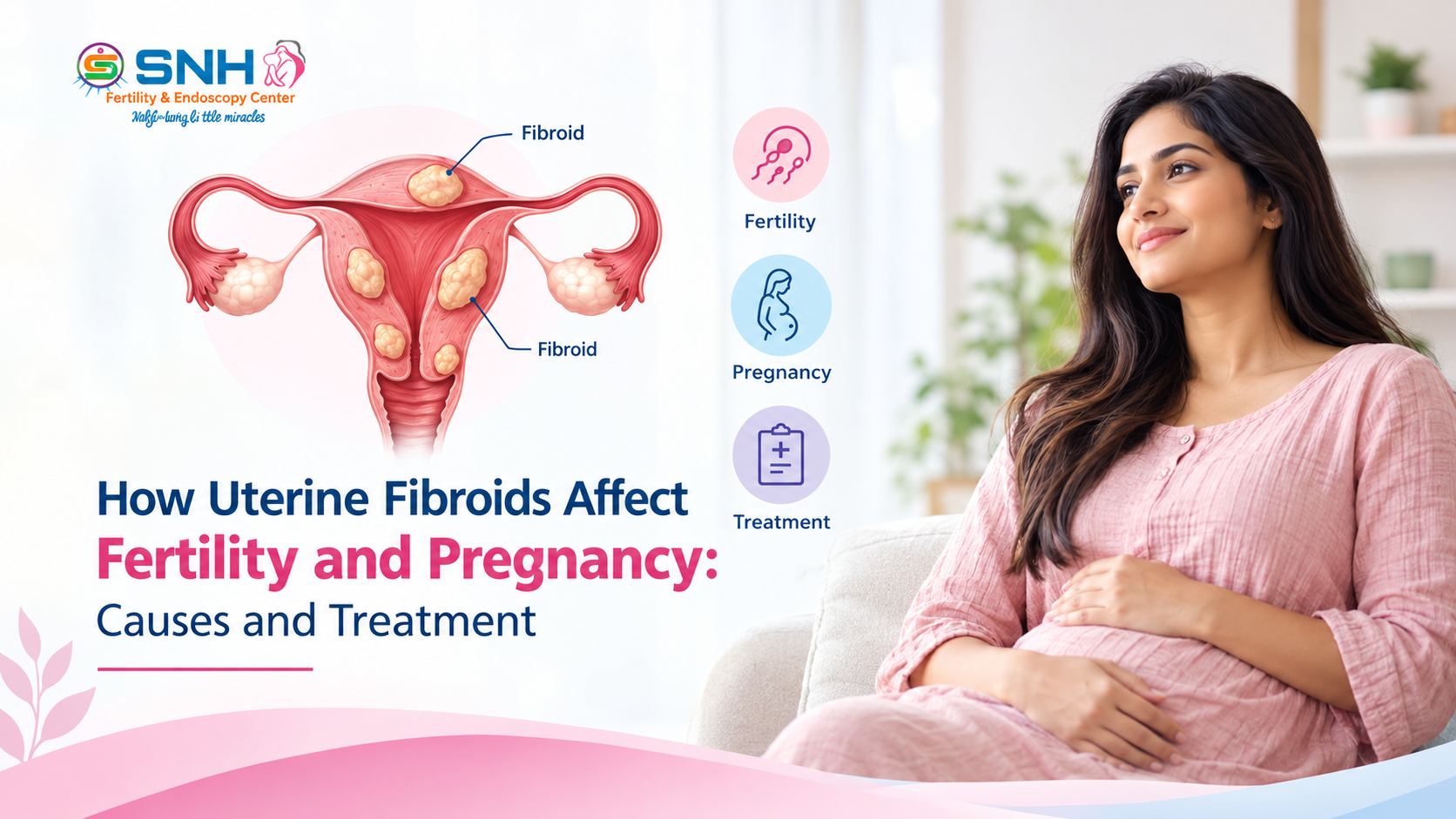
How Uterine Fibroids Affect Fertility and Pregnancy: Causes and Treatment
Uterine fibroids are common, non-cancerous growths that develop in or around the uterus. Although many women with fibroids can conceive naturally and have healthy pregnancies, certain fibroids may affect fertility, embryo implantation, or pregnancy outcomes. Understanding their size, location, and possible effects can help women make informed decisions about reproductive health.
For women searching for Trusted fertility hospitals in Nellore, understanding how uterine fibroids affect conception is an important first step toward seeking appropriate medical advice. At SNH Fertility Care, fertility evaluation and treatment planning can help patients explore their reproductive health concerns and available options.
What Are Uterine Fibroids?
Uterine fibroids, also known as leiomyomas or myomas, are growths that develop from the muscular tissue of the uterus. They can vary in size, number, and location. Some women have a single small fibroid, while others may develop multiple fibroids.
Fibroids are generally benign, meaning they are not cancerous. Some women experience symptoms, while others discover fibroids during a routine examination or fertility investigation.
According to the American College of Obstetricians and Gynecologists (ACOG), fibroids can cause symptoms such as heavy menstrual bleeding, pelvic discomfort, and, in some cases, reproductive difficulties.
What Causes Uterine Fibroids?
The exact cause of uterine fibroids is not fully understood. However, several factors may contribute to their development and growth.
Commonly studied factors include:
- Hormonal influences: Estrogen and progesterone are involved in fibroid growth.
- Genetic factors: A family history of fibroids may increase the likelihood of developing them.
- Age: Fibroids are more common during the reproductive years.
- Individual health factors: Certain metabolic and reproductive factors may be associated with fibroid development.
Having one or more risk factors does not necessarily mean that a woman will develop fibroids. Regular medical evaluation can help identify and monitor them when necessary.
Types of Uterine Fibroids and Their Location
The location of a fibroid can be more important than its size alone when evaluating fertility.
- Submucosal Fibroids
These fibroids grow beneath the uterine lining and may extend into the uterine cavity. They can interfere with the space where an embryo implants and are among the fibroid types most strongly associated with fertility problems.
- Intramural Fibroids
These develop within the muscular wall of the uterus. Their effect on fertility depends on factors such as size and whether they distort the uterine cavity.
- Subserosal Fibroids
These grow on the outer surface of the uterus. They are less likely to affect fertility directly unless their size or position causes other problems.
A fertility specialist can assess the location and characteristics of fibroids to determine whether they may be relevant to a woman’s reproductive health.
How Can Uterine Fibroids Affect Fertility?
Not all uterine fibroids cause infertility. Many women with fibroids conceive without difficulty. However, certain fibroids may interfere with conception through several mechanisms.
- Interference With Embryo Implantation
Fibroids that distort the uterine cavity may make it more difficult for an embryo to implant in the uterine lining. This can be particularly relevant when a woman is experiencing difficulty conceiving or has a history of unsuccessful fertility treatment.
- Changes in the Uterine Cavity
The shape and structure of the uterine cavity play an important role in reproductive health. Some fibroids can alter this space and potentially affect implantation or early pregnancy development.
- Possible Effects on Fertility Treatment
Fibroids that distort the uterine cavity may affect outcomes in treatments such as in vitro fertilization (IVF). However, their presence does not automatically mean IVF will fail. Other fertility factors must also be considered.
- Difficulty Conceiving
Some fibroids may affect the passage of sperm or interfere with the reproductive tract, depending on their location. Nevertheless, difficulty conceiving can have many causes, so a comprehensive fertility assessment is important.
Women looking for Trusted fertility hospitals in Nellore should seek an individualized assessment rather than assuming that fibroids are the only reason for difficulty conceiving.
Can You Get Pregnant With Uterine Fibroids?
Yes. Many women with uterine fibroids can become pregnant naturally and have healthy pregnancies. The likelihood of complications depends on the fibroids’ size, number, and location, as well as other individual health factors.
Some fibroids have little or no effect on pregnancy, while others may be associated with an increased risk of miscarriage, preterm birth, abnormal fetal positioning, or cesarean delivery.
Women who already know they have fibroids and are planning a pregnancy should discuss their findings with a qualified healthcare professional. Early assessment can help determine whether monitoring or treatment is appropriate.
What Are the Symptoms of Uterine Fibroids?
Some women do not experience any noticeable symptoms. When symptoms occur, they may include:
- Heavy or prolonged menstrual periods
- Painful menstruation
- Pelvic pressure or discomfort
- Frequent urination
- Lower abdominal or back pain
- Pain during sexual intercourse
- Difficulty conceiving in some cases
These symptoms can also occur with other medical conditions. A healthcare professional can recommend appropriate investigations to identify the cause.
If you experience very heavy bleeding, severe pain, or symptoms that interfere with daily activities, seek medical advice.
How Are Uterine Fibroids Diagnosed?
Diagnosis usually begins with a review of symptoms, menstrual history, reproductive goals, and previous medical findings.
Depending on the situation, investigations may include:
Pelvic ultrasound: This is commonly used to identify fibroids and assess their size and location.
Saline infusion sonography: In selected cases, fluid is introduced into the uterine cavity during an ultrasound examination to help evaluate its shape and identify abnormalities.
Hysteroscopy: A thin viewing instrument is passed through the cervix to examine the inside of the uterus when indicated.
MRI: Magnetic resonance imaging may be recommended in selected cases when more detailed information about fibroids is needed.
Not every patient requires all these investigations. The appropriate approach depends on the symptoms, ultrasound findings, fertility history, and treatment goals.
What Are the Treatment Options for Uterine Fibroids?
Treatment depends on the woman’s symptoms, age, fibroid characteristics, overall health, and whether she plans to become pregnant.
- Monitoring
Small fibroids that do not cause symptoms or affect the uterine cavity may only require periodic monitoring. Treatment is not necessary for every fibroid.
- Medication
Certain medicines can help manage heavy menstrual bleeding or pain. Some hormonal treatments may temporarily reduce fibroid size, but their suitability depends on the patient’s circumstances and reproductive plans.
- Myomectomy
Myomectomy is a surgical procedure that removes fibroids while preserving the uterus. It may be considered for selected women who have symptoms or fibroids that could affect fertility.
However, surgery also carries risks, including bleeding and scar formation. The potential benefits and risks should be discussed with a specialist before making a decision.
- Fertility Treatment
If conception remains difficult after evaluation, fertility treatments such as IVF or other assisted reproductive techniques may be discussed where appropriate. The decision depends on the patient’s overall fertility assessment and whether the fibroids affect the uterine cavity.
Some fibroid procedures may not be suitable for women planning pregnancy. Treatment should therefore be selected carefully, taking future reproductive goals into account.
For additional information about fibroids and reproductive health, visit the American Society for Reproductive Medicine’s patient resource on fibroids and fertility.
When Should You Consult a Fertility Specialist?
Consider seeking a fertility assessment if you:
- Have been trying to conceive without success.
- Have been diagnosed with fibroids and plan to become pregnant.
- Experience heavy menstrual bleeding or persistent pelvic discomfort.
- Have experienced recurrent pregnancy loss.
- Are considering fibroid surgery before fertility treatment.
An early consultation can help clarify whether the fibroids are likely to affect conception and which next steps may be appropriate.
If you are researching Trusted fertility hospitals in Nellore, you can explore SNH Fertility Care to learn more about its fertility services and patient care approach.
You can also learn about the specialists at SNH Fertility Care and arrange an appointment for a fertility consultation to discuss your concerns.
Frequently Asked Questions (FAQs)
- Can uterine fibroids cause infertility?
Some fibroids can contribute to infertility, particularly those that distort the uterine cavity. However, many women with fibroids conceive naturally. A complete fertility assessment helps identify whether fibroids may be contributing to conception difficulties.
- Which type of fibroid affects fertility the most?
Submucosal fibroids, which affect the uterine cavity, are generally the most concerning for fertility. The impact of intramural fibroids depends on their size and location, while subserosal fibroids are usually less likely to affect conception directly.
- Do all uterine fibroids need to be removed before pregnancy?
No. Treatment is not necessary for every fibroid. A specialist considers the fibroid’s characteristics, symptoms, uterine cavity involvement, and the woman’s pregnancy plans before recommending treatment.
- Can fibroids increase the risk of miscarriage?
Some fibroids, particularly those that distort the uterine cavity, may be associated with an increased risk of miscarriage. However, the risk varies, and many women with fibroids have successful pregnancies.
- Can IVF work if I have uterine fibroids?
Yes, IVF may be successful in women with fibroids. The outcome depends on several factors, including age, embryo quality, other fertility conditions, and whether the fibroids distort the uterine cavity. A fertility specialist can help determine the appropriate approach.
- Where can I seek fertility guidance in Nellore?
Women seeking fertility evaluation in Nellore can explore SNH Fertility Care’s website and appointment page to learn about its services and consultation options.
Uterine fibroids are common and do not always prevent pregnancy. Their effect on fertility depends largely on their size, number, location, and whether they alter the uterine cavity. With appropriate assessment, women can better understand their reproductive health and make informed decisions about monitoring, treatment, or fertility care.
For women exploring Trusted fertility hospitals in Nellore, SNH Fertility Care offers information about fertility evaluation and treatment services to help patients understand their options. Seeking personalized medical guidance is an important step toward planning a pregnancy with confidence.